
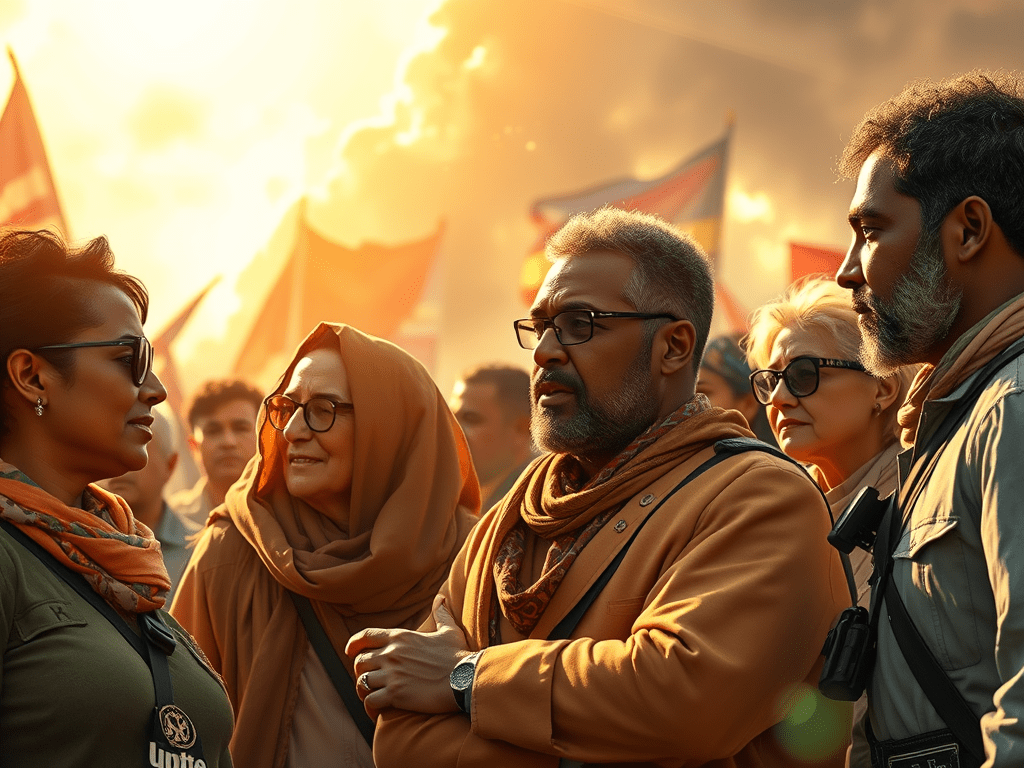
PEACE IS ACTIVE, NOT PASSIVE
Scripture: “Blessed are the peacemakers, for they will be called children of God.” (Matthew 5:9)
Why it matters
Jesus did not say, “Blessed are the peacekeepers”—those who avoid conflict at all costs.
He said, “Blessed are the peacemakers.” A peacemaker does the hard work of building peace where it does not yet exist.
For the early listeners, this was radical. Warriors were admired; peacemakers were dismissed. Jesus turned that upside down.
Too often, we confuse peace with silence. We think peace means not rocking the boat. But real peace requires courage. It requires speaking truth with love, holding firm boundaries without hatred, and standing with those who cannot stand for themselves.
Peacemaking is not appeasement; it provokes opposition because it confronts injustice.
Be a peacemaker. This means advocating for justice, even when it is uncomfortable.
It means refusing to let anger or bitterness be the loudest voice. It means offering solutions where others only see enemies.
In our social and political climate today, this is desperately needed. We live in polarized times where outrage is the currency of the day.
But followers of Jesus are called to stand out—not by shouting louder, not by treating others as enemies—but by bringing solutions, by working for justice, by embodying peace that restores.
Christians don’t merely keep peace; they make it—through truth, repentance, repair, and courage.
Think of those who fight for fair housing, for the hungry, for the marginalized. They are not passive. They are actively challenging systems of injustice, but without hate.
Justice and shalom are not rivals; they belong together. True peace is born of justice.
Critical questions for us today
- Am I more comfortable keeping the peace than making it?
- Where in my life have I mistaken quiet for true reconciliation?
- How might God be calling me to take action for peace, even if it risks discomfort?
Peace is not passivity—it is bold, active love that restores what is broken.
 Reverend Marco Ste-Marie
Leave a comment