
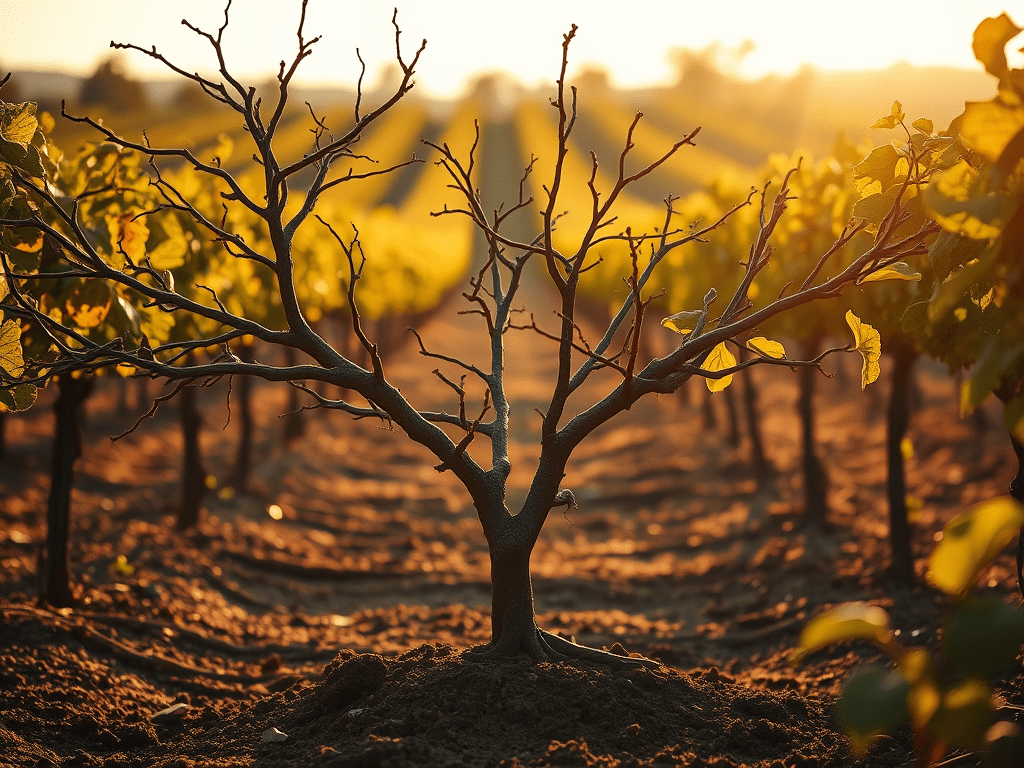
The Parable of the Barren Fig Tree
6 Then He told this parable: “A man had a fig tree planted in his vineyard. He came and looked for fruit on it and found none. 7 So he said to the vinedresser of his vineyard, ‘Now these three years I have come looking for fruit on this fig tree, and I find none. Cut it down. Why should it deplete the soil?’ 8 “He answered him, ‘Sir, leave it alone this year also, until I dig around it and fertilize it. 9 And if it bears fruit, well. But if not, after that you shall cut it down.’ ” Luke 13:6-9
So while many readers identify the owner with God, the gardener with Christ, and the tree with Israel or the individual, the parable’s main force lies in the urgent call to change.
This parable sits in Luke’s long “journey to Jerusalem” section, where Jesus teaches about discipleship, judgment, social reversal, mercy, and readiness.
Luke 13 is full of urgency: redirect now, receive healing now, enter through the narrow door while there is still time.
In Luke 13:6–9, Jesus tells a short parable about a fig tree that has not borne fruit.
The owner is frustrated. For three years he has come looking for figs and found none. His answer is direct: cut it down. But the gardener responds, “Give it one more year. Let me dig around it and put manure on it. Then we will see.”
In other words, the “fruit” Jesus wants is not anxiety or shame, but lives reshaped toward mercy, freedom, and justice.
A renewal so profound that it is visible in forms of “fruit” and the renewal benefits the community.
This text reflects a world shaped by Roman occupation, local violence, social vulnerability, and debates about divine judgment.
But Jesus also refuses numbness. He does not say, “These things happen, so do not think about them.” He says, in effect, “Do not waste this moment. Let it wake you up. Let it call you back to life.” That is where the fig tree comes in.
Fig trees were common and economically important in the eastern Mediterranean and the Levant.
Figs were a major food source, and the fig tree also carried symbolic weight in Jewish tradition as a sign of peace, blessing, and prosperity.
Its failure could symbolize loss, judgment, or national unfaithfulness.
A fig tree planted in a vineyard is somewhat unusual but not impossible; it makes the image more pointed because a tree in cultivated soil is receiving privileged care and therefore has little excuse for barrenness.
The fig tree is not a story about a God eager to punish. It is a story about urgency wrapped in mercy.
The owner wants fruit. The gardener asks for time. The gardener does not deny the barrenness of the tree. He names it. But he also does not give up on it. He asks for one more year, one more chance, one more season of care.
WE need to see that Jesus rejects victim-blaming and links repentance to changed relationships, justice, liberation, and communal flourishing.
That is good news. God is not careless about the way we live. God longs for fruit—for lives shaped by compassion, justice, courage, generosity, and love.
God does not want us stuck in bitterness, complaints, or empty religion. But when God finds us barren, the first word is not destruction. The first word is mercy. The first movement is care. The gardener kneels at the roots. The gardener works the soil. The gardener makes room for growth.
This passage reveals a God who is patient, purposeful, truthful, and merciful.
God is purposeful: God genuinely seeks fruit.
God is truthful: barrenness is named as barrenness.
God is forgiving: the gardener’s plea is heard, and more time is given.
A key theological tension here is that forgiveness does not cancel accountability. The parable holds both together without flattening either one.
God is not indifferent to fruitlessness, but neither is God eager to destroy.
God’s work is to cultivate. God seeks transformation, not mere punishment. Even judgment language in this passage serves the deeper purpose of awakening life.
So the call today is clear: let us not waste our lives. Let us grow.
If there is resentment in us, let it be loosened. If there is fear in us, let it be tended. If there is complacency in us, let it be disturbed. If there is love waiting to bear fruit, let it be set free.
Today we are called to reframe old assumptions.
This text supports confession that leads to hope, not humiliation. It calls for visible fruit in communal life. It invites change that can be seen.
It asks us to become gardeners, not executioners.
God does not ask whether we can look alive; God asks whether our lives bear fruit.
Yet even in our barrenness, God’s first move is not disposal but deeper tending.
God is still patient. God is still tending the roots. God is still calling us toward lives that bear fruit.
Let us not waste the gift of this season. Let us grow. Amen.
 Reverend Marco Ste-Marie
Leave a comment